Dental Implants in Silver Spring, MD That Look Natural and Feel Secure
What Are Dental Implants?
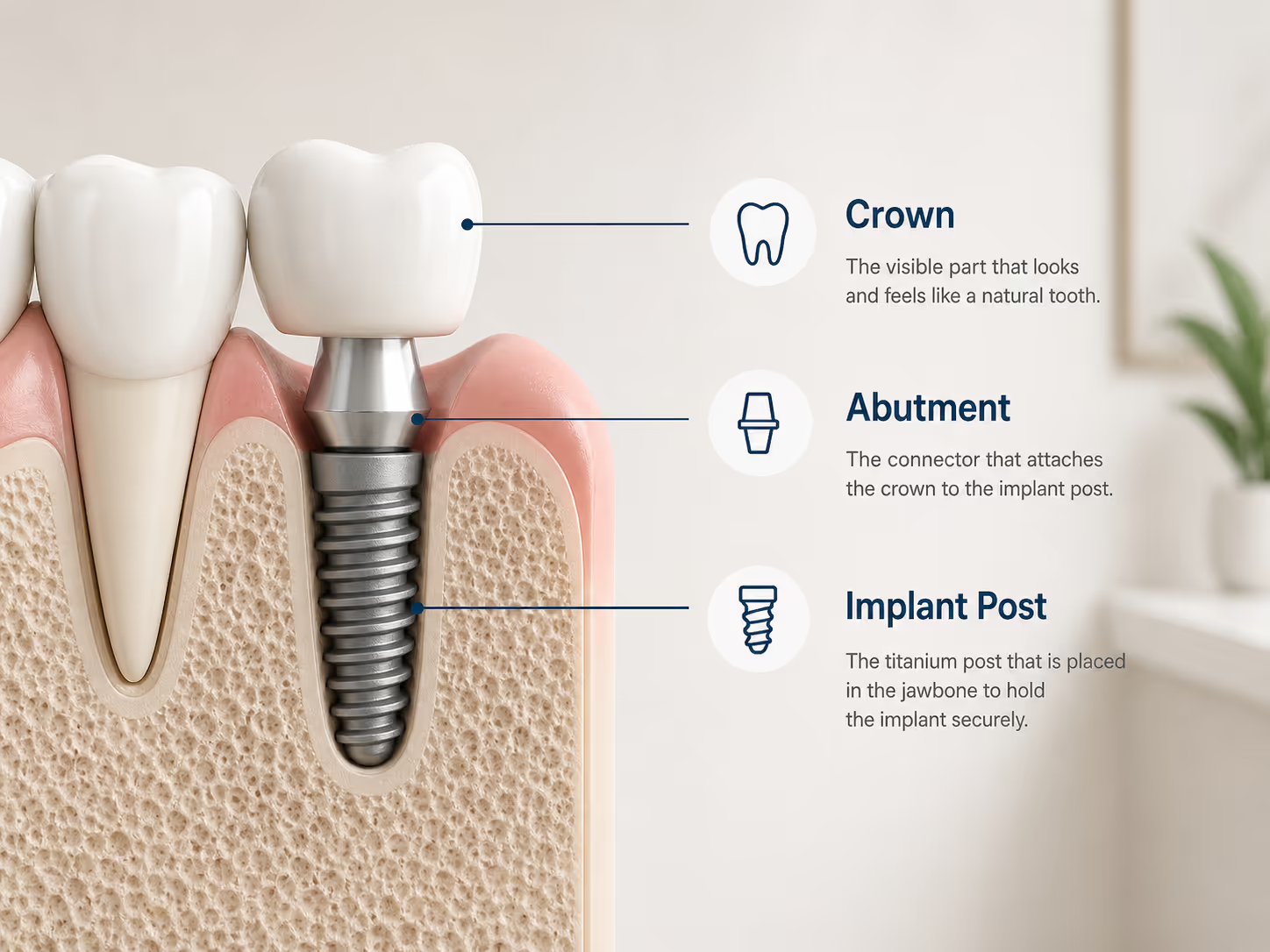
A dental implant is a small titanium post placed into the jawbone to replace the root of a missing tooth. Once the implant bonds with the bone — a natural process called osseointegration — a custom crown, bridge, or denture can be attached to restore your smile.
Unlike traditional bridges or removable dentures, implants are self-supporting. They do not rely on neighboring teeth for support, and they are designed to provide long-term stability with proper care.

Who Dental Implants Are For
Dental implants may be recommended for patients missing one tooth, several teeth, or a full arch. During your consultation, we’ll evaluate your health, jawbone, goals, and treatment options to determine whether implants are the right fit.
Whether from injury, decay, or extraction, implants can replace missing teeth with a stable, natural-looking restoration.
If your dentures slip, irritate your gums, or limit your confidence while eating or speaking, implants may offer a more secure alternative.
When an existing bridge or crown is reaching the end of its life, an implant may provide a strong, long-term replacement.
When teeth are missing, the jawbone can gradually shrink over time. Implants help stimulate the bone and support the structure of your smile.
Why Choose Dental Implants
Implant restorations are matched to your surrounding teeth for a natural-looking result. Anchored in the jawbone, they feel secure when you smile, speak, and chew.
With proper care, dental implants can last for many years, and often decades. They are one of the most durable, reliable options available for replacing missing teeth today.
A dental implant helps stimulate the jawbone in a way similar to a natural tooth root. This can help reduce bone loss and support the natural shape of your smile.
Because implants are anchored in the jaw, they provide strong support for chewing. Many patients find that eating feels more comfortable, secure, and natural again.
Unlike a traditional bridge, a dental implant does not require reshaping nearby healthy teeth. It replaces the missing tooth while helping preserve the teeth around it.
Dental implants do not require adhesives, soaking, or nightly removal. In most cases, you care for them much like natural teeth with brushing, flossing, and regular checkups.
Types of Dental Implants We Offer
One implant, one crown — the most straightforward option for replacing a single missing tooth without affecting the teeth around it.
When two or more adjacent teeth are missing, a bridge anchored by implants fills the gap without relying on your natural teeth for support.
A complete upper or lower arch of teeth supported by just four strategically placed implants. This option may be recommended for patients with extensive tooth loss who want a secure, fixed full-arch solution.
Dentures that snap onto implants for a more secure, stable fit. They are designed to reduce slipping and shifting while still being removable for cleaning.

The Dental Implant Process, Step by Step
Dental implant treatment happens in carefully planned stages. We’ll explain each step before treatment begins, so you understand the timeline, your sedation options, and what to expect as your implant heals.
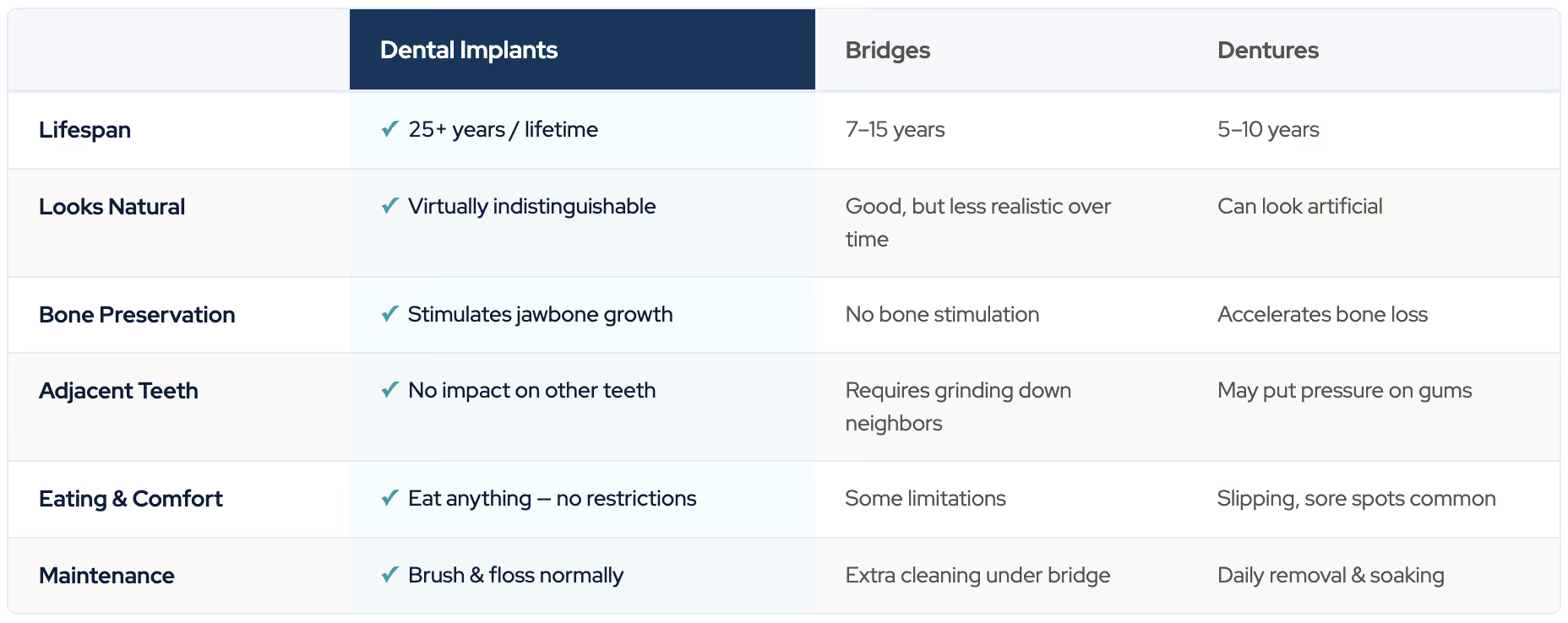
How Dental Implants Stack Up
Sedation Options for Dental Implant Surgery
Feeling nervous about implant surgery is completely normal. We take time to understand your concerns and recommend the sedation option that best fits your comfort level, procedure, and health needs.
Numbs the treatment area. You’ll be awake during the procedure, but the area will be kept comfortable.
A prescription pill taken before your visit to help you relax. You’ll stay awake, but feel more at ease during the procedure.
Medication delivered through an IV for deeper relaxation. Most patients remain responsive but remember little afterward.
Used for more complex cases when full sleep is the best option. You’ll be fully monitored the entire time for comfort and safety.
Clear Cost Information Before Treatment
Before treatment begins, our team will review your insurance benefits, estimated out-of-pocket cost, and available payment options with you.
We work with all PPO dental insurance plans and can review your coverage before your procedure whenever possible. If financing would be helpful, we can also explain available CareCredit options so you can make a more informed decision about your care.
Dental Implant FAQs
You shouldn’t feel pain during implant placement thanks to local anesthesia and sedation options. Mild soreness, swelling, or tenderness is normal afterward and usually improves within a few days.
With proper care, dental implants can last for many years, and often decades. The crown or restoration attached to the implant may need replacement over time, depending on wear, oral hygiene, and regular dental care.
Many adults with missing teeth are candidates for dental implants. During your consultation, we’ll evaluate your jawbone density, oral health, and medical history. If you have bone loss, bone grafting may be recommended before implant placement.
Cost depends on the number of implants, the type of restoration, and your insurance coverage. We provide detailed estimates before any implant procedure and offer flexible financing options.
From placement to final restoration, the full process often takes several months. Much of that time allows the implant to heal and bond with the jawbone. We’ll explain your expected timeline during your consultation.
Dental implants have a strong long-term success record when they are carefully planned, properly placed, and well maintained. Our team uses 3D imaging and detailed surgical planning to support precise implant placement.
Most likely. Many of our patients upgrade from traditional dentures to implant-retained dentures or full arch replacements for a more stable, comfortable fit.
When a tooth is missing, surrounding teeth may shift, your bite can change, and the jawbone beneath the gap can gradually shrink. Replacing the tooth can help protect your long-term oral health and preserve the structure of your smile.
Find Out if Dental Implants Are Right for You

Advanced oral surgery with clear guidance and patient-centered care.